What to Do After Water Damage at Your Property
September 9, 2026
Steps to Minimize Damage and Begin the Restoration Process
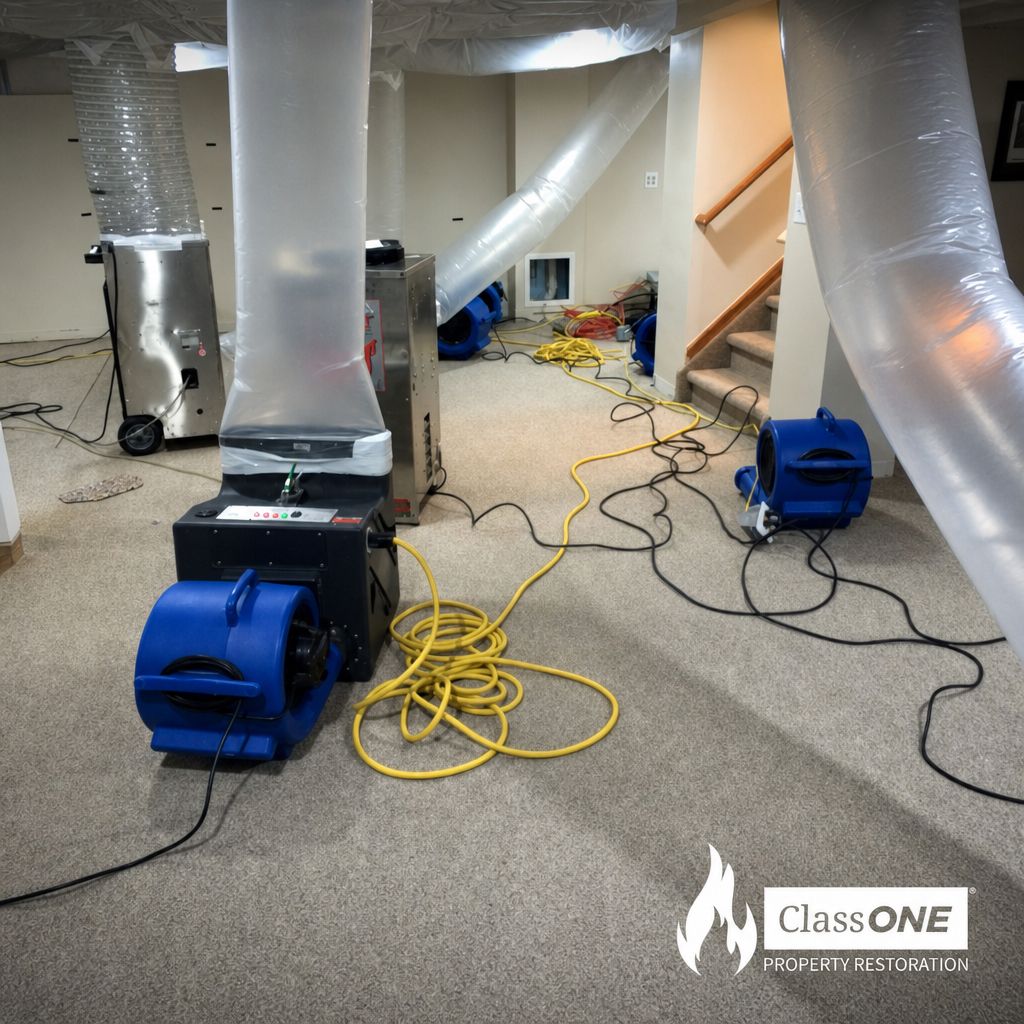
Water damage can happen suddenly because of a burst pipe, appliance failure, roof leak, storm, or overflowing drain. Knowing what to do immediately can help protect your property and reduce the chance of additional damage.
Put Safety First
Before entering an affected area, make sure it is safe. Avoid standing water if electrical outlets, appliances, or wiring may have been exposed. If you smell gas or notice structural damage, leave the property and contact the appropriate emergency service.
Do not use electrical equipment in wet areas. Safety should always come before cleanup.
Stop the Source of the Water
If it is safe to do so, shut off the main water supply or the valve connected to the damaged appliance. Stopping the source can help limit the spread of water.
If the damage is caused by a storm or roof problem, temporary measures may help prevent more water from entering until professional repairs are completed.
Document the Damage
Take photographs and videos of affected rooms, materials, furniture, and personal belongings. Make a list of damaged items and keep receipts for emergency services or temporary repairs.
This documentation may be useful when communicating with your insurance provider.
Remove Valuable Items
Move undamaged furniture, electronics, documents, and other belongings to a dry location. Avoid moving heavy or waterlogged items if doing so could cause injury or damage the flooring.
Some materials, including drywall, insulation, carpeting, and wood, may need professional evaluation to determine whether they can be safely restored.
Contact a Restoration Professional
Water can spread behind walls, beneath flooring, and into insulation where it may not be visible. Professional restoration teams use specialized equipment to extract water, dry affected areas, and identify hidden moisture.
Class One Property Restoration can help with the cleanup and restoration process after water damage. Acting quickly may help limit mold growth, structural damage, and the overall cost of restoration.
If your property has experienced water damage, begin by ensuring everyone’s safety, stopping the water source if possible, documenting the damage, and contacting a qualified restoration professional.