First-Time Heating System Safety Tips for a Safe Winter
September 17, 2026
Simple Steps to Prevent Fire, Smoke, and Carbon Monoxide Hazards When Turning On Your Heat This Season
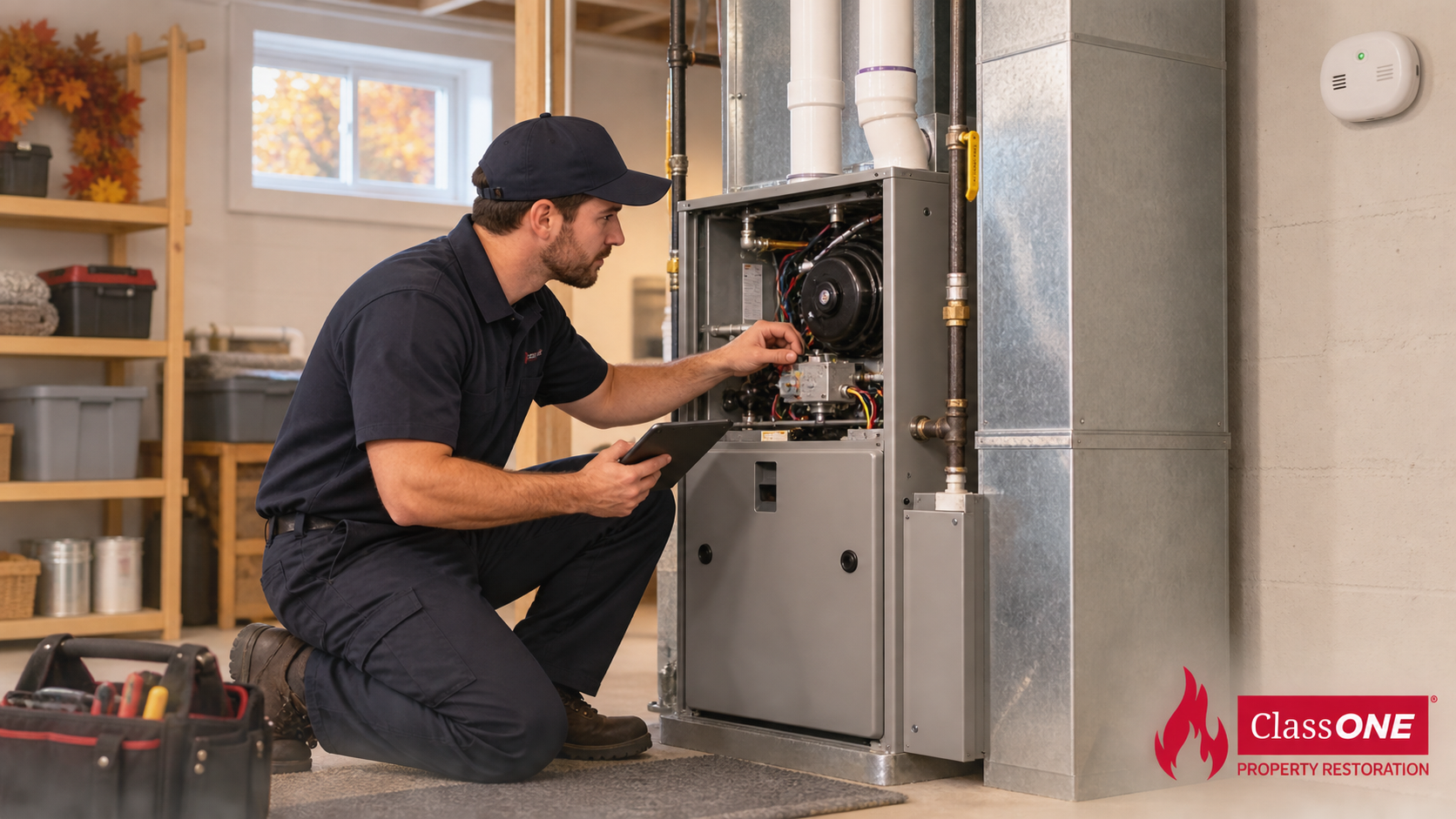
As temperatures begin to drop, many homeowners turn on their heating systems for the first time since last winter. Although routine heating keeps a home comfortable, furnaces, fireplaces, and chimneys can create fire, smoke, soot, or carbon monoxide hazards when they are not properly maintained.
A few simple safety checks before turning on the heat can help protect your family and prevent costly property damage.
Have Your Heating System Professionally Inspected
Schedule a professional inspection and tune-up before using your furnace for the season—especially if your home relies on oil, natural gas, or propane.
A qualified technician can inspect:
- Burners and ignition components
- Heat exchangers
- Electrical connections
- Fuel lines and valves
- Vent pipes and exhaust systems
- Thermostats and safety controls
- Signs of corrosion, soot, or leaks
Oil furnaces should be serviced regularly to help ensure they burn fuel efficiently and vent exhaust safely. A malfunctioning furnace can produce excessive smoke, soot, or carbon monoxide.
Replace or Clean the Furnace Filter
A dirty filter restricts airflow and forces your furnace to work harder. This can reduce efficiency, increase wear, and potentially cause the system to overheat.
Check the manufacturer’s instructions for the correct filter size and replacement schedule. Before starting the system for the season, replace disposable filters or clean reusable ones.
Keep Flammable Items Away from Heat Sources
Maintain a clear area around your furnace, boiler, fireplace, and other heating equipment. Keep the following items at a safe distance:
- Cardboard boxes
- Clothing
- Cleaning products
- Paint and chemicals
- Paper
- Furniture
- Curtains and rugs
Never use a furnace room, boiler room, or fireplace area for general storage.
Inspect and Clean Your Fireplace and Chimney
Before using a wood-burning or gas fireplace, have the chimney inspected and cleaned as recommended by a qualified chimney professional. Creosote buildup in wood-burning chimneys can ignite and cause a dangerous chimney fire.
Have the chimney checked for:
- Cracked or damaged masonry
- Blockages or animal nests
- A missing or damaged chimney cap
- A damaged flue liner
- Excessive soot or creosote
Use a sturdy fireplace screen to help prevent sparks and embers from entering the room. Never leave a fire unattended. Allow ashes to cool completely before placing them in a covered metal container.
Test Smoke and Carbon Monoxide Alarms
Install smoke alarms on every level of your home, inside bedrooms, and near sleeping areas. Install carbon monoxide alarms near sleeping areas and wherever the manufacturer recommends.
Test every alarm before using your heating system and replace batteries as needed. Because carbon monoxide is invisible and odorless, working alarms are an essential part of home heating safety.
If a carbon monoxide alarm sounds, leave the property immediately and call emergency services from outside. Do not re-enter until authorities have evaluated the home and declared it safe.
Check Vents and Exhaust Pipes
Make sure furnace vents, chimneys, and outdoor exhaust pipes are not blocked by leaves, nests, snow, or other debris. Blocked ventilation can cause dangerous gases to accumulate inside the home.
Never cover a vent or alter an exhaust system without professional guidance.
Know the Warning Signs
Turn off your heating system and contact a qualified technician if you notice:
- A strong fuel or gas odor
- Smoke coming from the furnace or vents
- Soot around the furnace or registers
- Unusual banging, rattling, or squealing
- Frequent cycling or difficulty starting
- Headaches, dizziness, nausea, or unusual tiredness
- A yellow or flickering flame in a gas appliance
If you smell gas or suspect carbon monoxide, leave the property immediately and call emergency services or your gas utility from a safe location. Do not attempt to repair fuel-burning equipment yourself.
Never Use an Oven to Heat Your Home
Never use a gas or electric oven as a heating source. Doing so can create a fire hazard, damage the appliance, and—when gas is involved—produce carbon monoxide. Use only approved heating equipment that has been properly installed and maintained.
Protect Your Home Before Heating Season Begins
Preventive maintenance is one of the best ways to reduce the risk of furnace malfunctions, chimney fires, smoke damage, and carbon monoxide exposure. Schedule inspections early, test your alarms, and clear the areas around heating equipment before temperatures fall.
If your property experiences fire, smoke, soot, or water damage related to a heating-system incident, ClassONE Property Restoration is ready to help with emergency cleanup and restoration services throughout South Central Pennsylvania.
Together, We’ve Got This!